
Your Property Shows Positive Cash Flow. So Why Does It Feel Like You're Losing?
Jul 07, 2026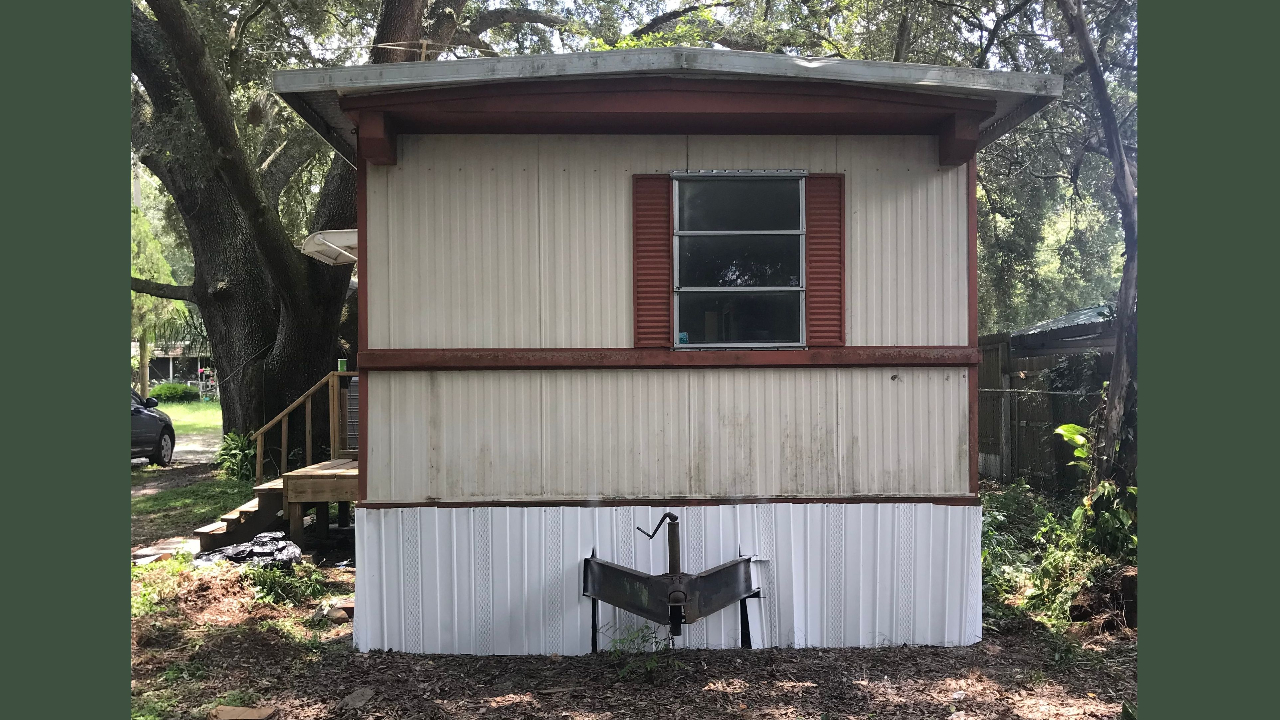
I'm a regular contributing author to the American Apartment Owners Association (AAOA), one of the largest landlord associations in the country. When they asked me to write about cash flow I knew exactly what story I wanted to tell because I lived it.
Here's the article in full.
Real Estate Lessons Past and Present
By Adrian Smude | Real Estate Investor, Educator and Author of How to Buy Mobile Homes.
I bought a 1970 single wide mobile home on a quarter acre in a neighborhood full of similar properties. I ran my numbers. Everything looked great. I closed, started the rehab, and almost immediately hit things we missed in the inspection, a tree limb hit the roof, bad water heater, plumbing problems running to it. We went over budget but pushed through and got it rented.
Then the tenant calls. Drains aren't working right. Thousands of dollars later we had it fixed. A few months after that the tenant left, and we ended up with squatters.
We weren't even a year in and this property kept coming at us in ways none of my other mobile homes ever had. I started calling it "the property that kept giving." Looking back I'm grateful it wasn't my first deal because if it was, I probably wouldn't still be in this business.
Here's the thing. On paper, that property still showed positive cash flow for stretches of time. But it was draining me financially and emotionally in ways the spreadsheet never captured.
"That's the gap most landlords never close."
Cash Flow Isn't a Moment, It's a Pattern
A lot of investors treat cash flow like a snapshot. They run the numbers, get a tenant in place, and move on assuming everything is working. It's not.
The number you projected before closing is a best guess. What actually happens over 12 to 24 months is the real number, and those two figures are often very different because of rent estimates, rehab costs, vacancy, and repairs.
I see too many people buying on the best case scenarios. They take the top end of rent, the low end of rehab, and assume nothing goes sideways. Then when the market shifts, like it has recently, those properties start losing money and the investor has no idea why because their original numbers "worked."
A good market makes everyone look smart. It's when things tighten that you find out what your deals actually are.
The Two Numbers That Actually Matter
Before I buy a property I use my cash flow analyzer, and it's the first tool I put in front of my students too. But the number I put in isn't the optimistic one, and I make sure they don't use the optimistic one either.
I take the lower end of the rent range, sometimes below that. I take the higher end of rehab and add ten percent on top. If the deal still works with those numbers, I pay attention. If it only works with perfect assumptions, I walk.
That's number one.
Number two is running your actual P&L every quarter and doing a deep dive every year. Not the projections. The real numbers from your bookkeeping. Pull them, compare them to what you projected when you bought, and ask yourself honestly why they're different.
That gap between projected and actual is where your real education lives.
Time Is the Warning Light You're Ignoring
Here's something most landlords miss. Money problems often show up as time problems first.
A rehab running longer than expected means holding costs stacking up, and those rarely make it into the original budget. A tenant who calls frequently is telling you something. Either the repairs weren't done right, or the tenant wasn't screened carefully enough, or both.
When I hear from a student that their tenant is calling all the time, I don't immediately think about the repair cost. I think about what that frequency is telling us about the property and the process that got us here.
Time is the warning light. Money is what burns when you ignore it.
How to Actually Know If a Property Is Performing
Dive deep into your numbers and second guess everything. Look for costs that are missing, line items in the wrong place, expenses you've been calling one-time that keep coming back. Read your P&L like you're trying to find something wrong.
Ask yourself three things:
Did I use conservative numbers going in, or did I build this deal on a perfect scenario?
Are the actual numbers from my books better or worse than what I projected, and do I understand why?
Is this property taking more of my time than expected, and what is that time worth in real dollars?
If you can't answer those cleanly, you don't actually know if your property is making you money. You just hope it is.
The Reserve Question Nobody Wants to Answer
Going back to my 1970 single wide, that property never technically became a loser. But the moment I knew it could have crushed me was when that plumbing bill came in.
What kept it being a disaster wasn't skill. It was reserves. And it wasn't my only property.
If that had been my first deal with no cushion, it would have ended differently. A lot of investors find out they don't have enough reserves the hard way, on a property that should have been a win.
Positive cash flow on paper is a starting point. What protects you when the paper lies is reserves, conservative underwriting, and numbers you actually look at on a regular basis.
The properties that feel like they're bleeding you are trying to tell you something. The question is whether you're paying attention.
Adrian Smude is a Real Estate Investor, Educator & Author of How to Buy Mobile Homes. He has been a real estate investor for over 20 years and leads Inside Lifestyle REI, a group coaching community for investors who want more clarity, momentum, and freedom in their business. Learn more at Lifestyle-REI.com.
Join 3,000+ savvy investors and start building wealth with mobile homes like a pro
We hate SPAM. We will never sell your information, for any reason.